A constraint you can hold
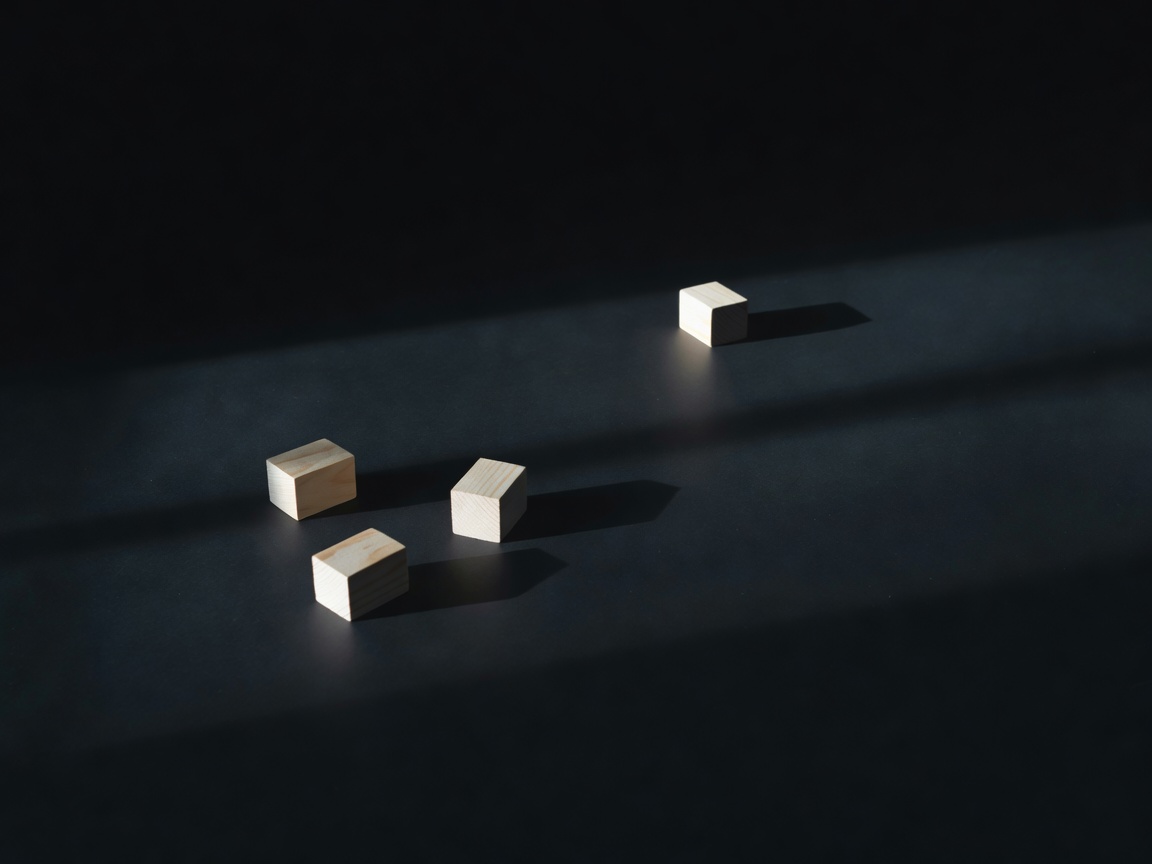
Place three plain blocks on a table. Ask how many distinct shapes they can form if each block must touch another along a full face. On a flat surface the answer is small. Allow stacking, and it grows. Allow blocks to touch at edges, and it grows again. Nothing was added to the material. Only the rule moved.
This is the core of minimalist puzzle design: the fewer the parts, the more visible each rule becomes. A solver facing three blocks cannot hide behind complexity. Every decision is legible.
Reduction as method
Piet Hein's Soma cube is often cited as a model of reduction. It is not small because someone liked emptiness; it is small because the generating rule — every irregular shape of three or four cubes — produces exactly seven pieces and stops. The set is complete by definition. Nothing can be removed without breaking the rule, and nothing can be added without inventing a new one.
Compare that with a jigsaw, where piece count can rise almost freely. Both are valid puzzles, but only one has a boundary set by its own logic.
Borrowed principles, honestly labelled
Many writers reach for Dieter Rams' phrase "less, but better" when discussing Nordic design. Rams is German, and his ten principles came out of work at Braun. They are useful, but citing them as Scandinavian is a mistake we try not to repeat. Closer to the region, the Danish architect Kaare Klint is remembered for measuring human bodies and everyday objects to set furniture proportions — reduction grounded in use rather than taste.
Before and after
A short reduction exercise
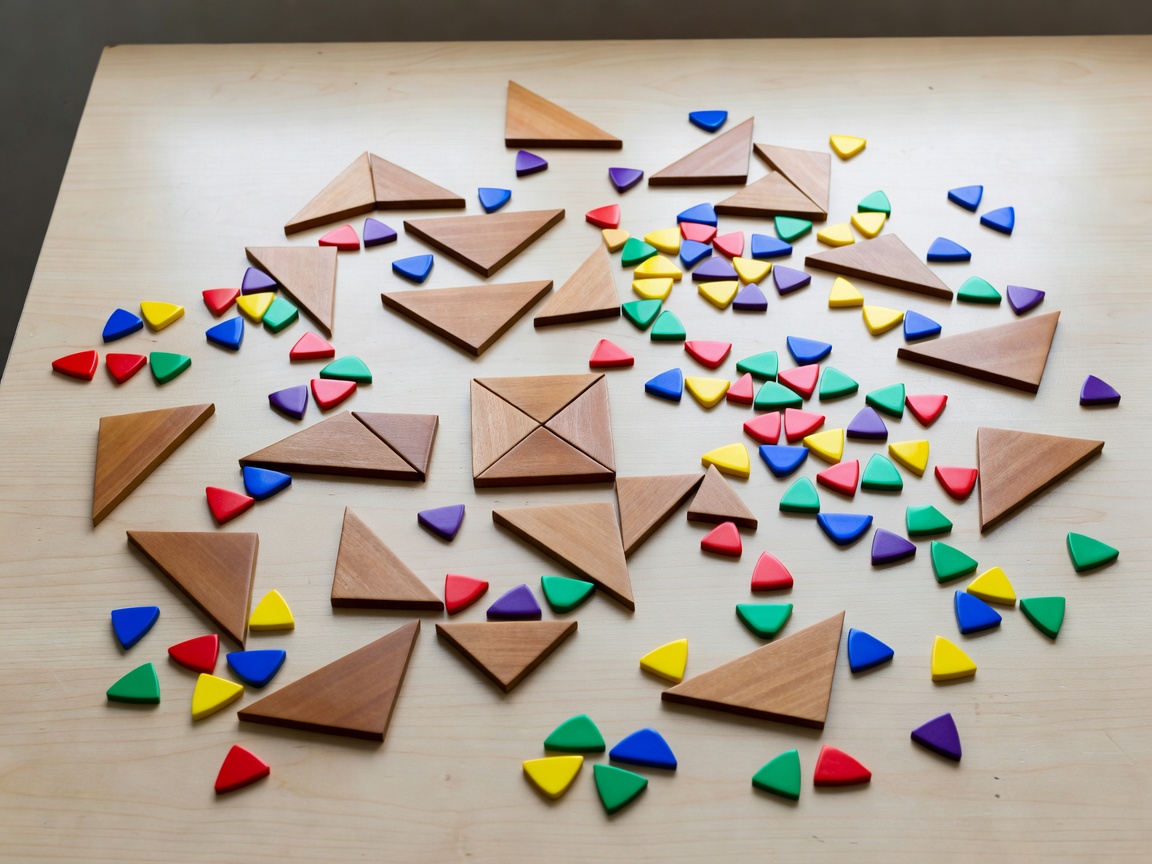
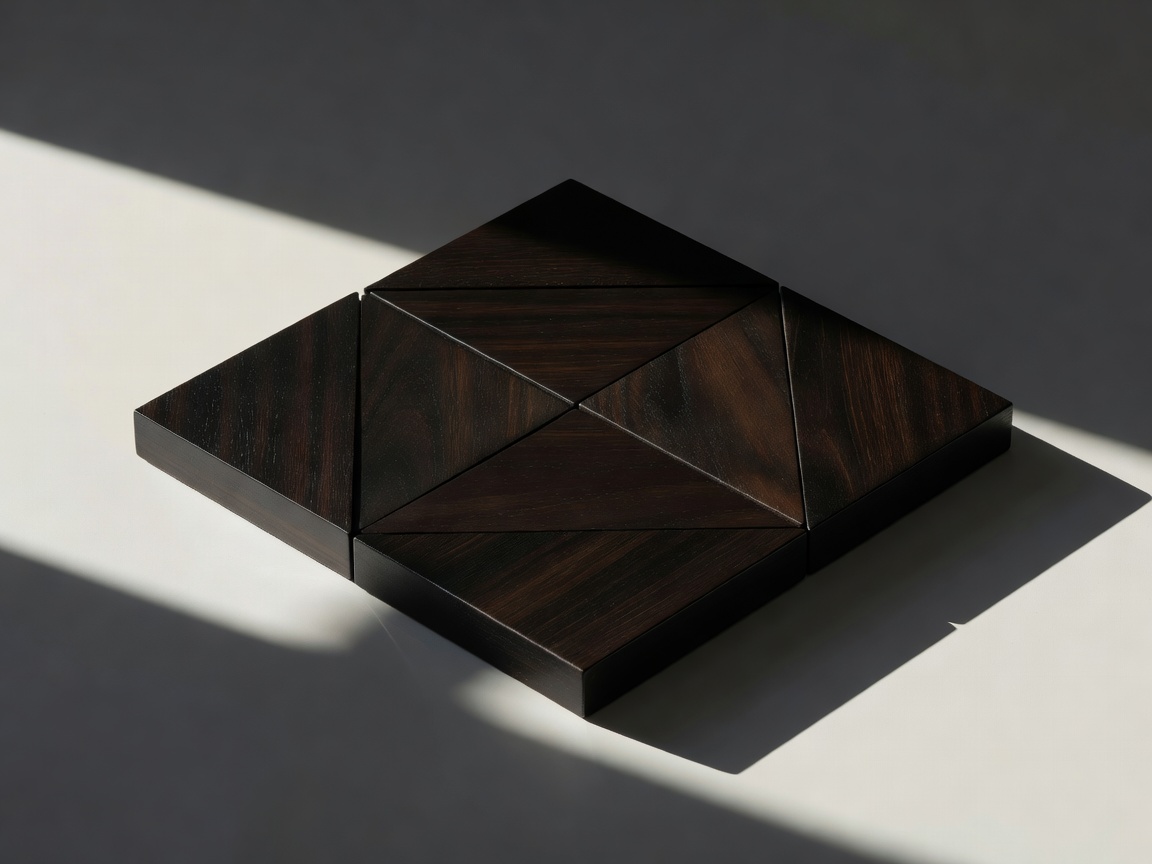
Take any puzzle you own, or a board game. List every component and every rule. Your task is to remove as much as possible while keeping it interesting to solve.
Remove one component at a time and play a round. Mark each as "load-bearing" or "decorative". Then do the same with rules. Stop when any further removal makes the puzzle trivial.
What survived? Usually far less than expected. Notice whether removing a rule ever made the puzzle harder — a sign that the rule was secretly helping the solver.
When less becomes too little
Reduction has a floor. A puzzle with one piece and one rule is a statement, not a challenge. The craft lies in stopping at the point where the solver still has meaningful choices. Lego's system shows the other side: a small vocabulary of parts that supports large structures. Minimalism there is in the interface, not the outcome.
Minimalism, in this sense, is a question you keep asking: what can this do without? It is a habit available to any designer, Nordic or not.